
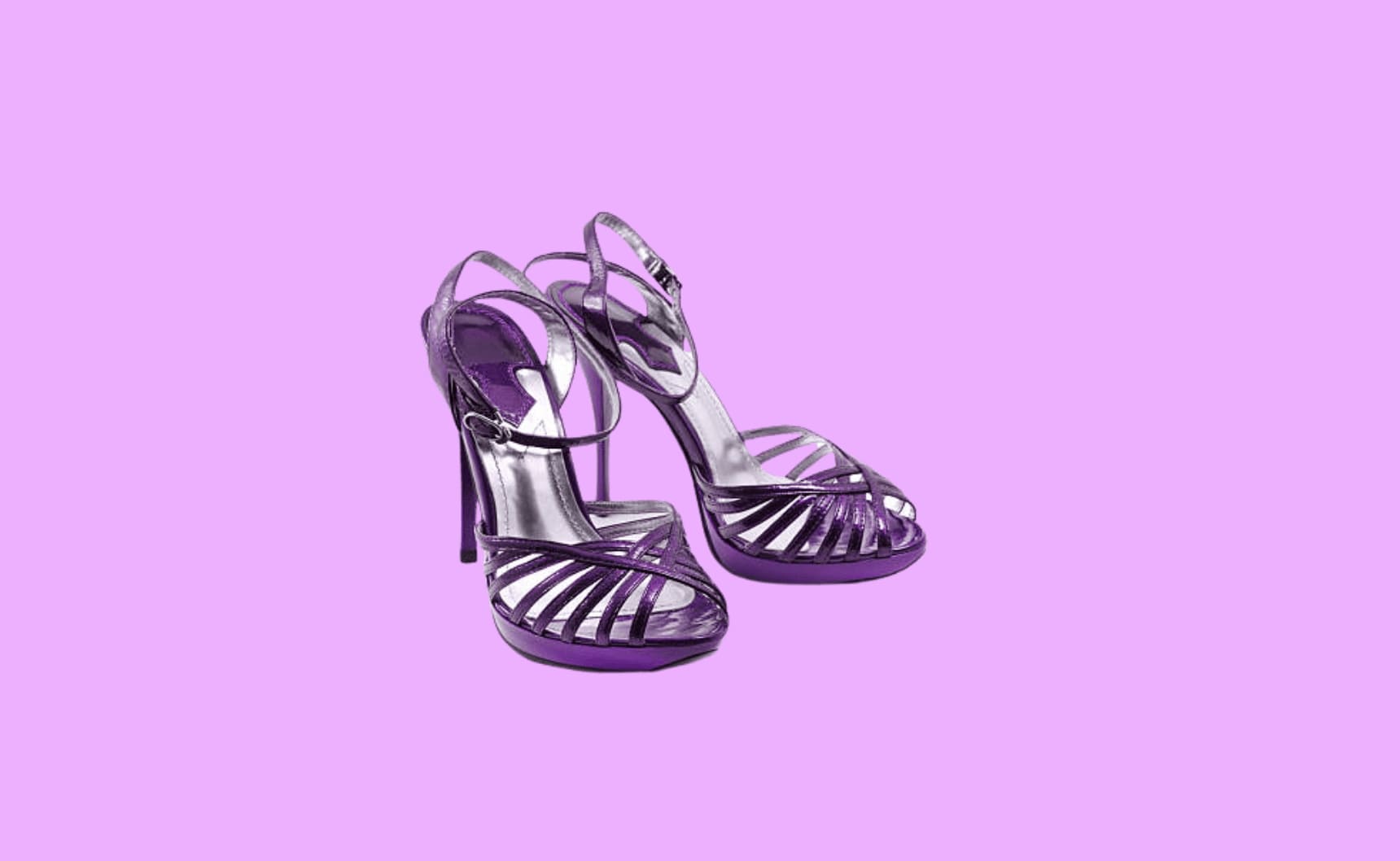
The footwear industry is being transformed by online shopping. A few clicks and customers can browse thousands of shoe designs, compare styles, and place orders from anywhere in the world. Shoe shopping has become more visually appealing with beautiful product photography, social media promotions, and even influencer marketing as well.
However, many shoppers have experienced the same disappointment online. A pair of shoes looked amazing online, but when it arrived, they were utterly disappointed. Have you faced this too?
It may have arrived in different color, cheaper materials than expected, or even the fit may have been awkward when worn. The shoe might have lacked the visual impact altogether, which it had on screen. Such a gap between real-world experience and online appearance is common.
When you understand why this happens you can make better decisions.
The Power of Online Presentation
Visual storytelling holds the key when it comes to footwear. Attractive online presentations have become common among brands, who’re significantly putting in a lot of efforts. First impressions matter enormously in digital shopping environments, making this highly important.
How a shoe appears online dramatically improves with the use of professional photography. This happens through:
- Controlled lighting
- Strategic camera angles
- High-resolution editing
- Styled outfits
- Color enhancement
- Clean backgrounds
- Visual retouching
These are not necessarily fake, and are standard marketing practices and techniques. However, with this, a more polished and visually dramatic version of the product is created. This can be significantly different from what customers experience in everyday settings.
A shoe may appear more visually vibrant and refined under studio lighting that it does under natural lighting conditions at home.
Lighting Changes Everything
One big reason why shoes look different in person is lighting. Cautiously controlled lighting is generally used in professional photography. This is designed to minimize issues and highlight the attractive details. With such lights, textures tend to appear richer, colors feel more balanced, and materials look more refined.
For example:
- White sneakers may appear brighter online
- Leather may look smoother and softer
- Metallic finishes may seem more reflective
- Suede textures may appear deeper and more refined
Shoes in reality are viewed under constantly changing lighting conditions. This includes sunlight, indoor lighting, cloudy weather, and shadows as well. How colors and materials feel can be largely altered by these environments.
With shades like beige, grey, cream, pastel tones, and reflective materials as well, this is particularly noticeable. Such elements shift visually depending on surrounding lights.
Camera Angles Can Distort Shape and Proportion
The angle from which a shoe is photographed has a significant impact on how it looks. Usually captured from perspectives, online product images make a shoe look more flattering. Subtle reshaping of visual proportions is facilitated by wide-angle photography, low positioning, and thoughtfully chose side profiles.
This causes:
- Soles to appear slimmer
- Shoes to look longer or sleeker
- Bulky designs to seem more balanced
- Heel heights to appear lower
- Toe shapes to look narrower
The design may feel different when a customer wears the shoes in normal standing positions, from how it had appeared online. In isolated product images, certain styles may appear sleek, but the same may look oversized or disproportionate during everyday wear.
Styling Plays a Major Role
Online shoes are presented with a complete fashion look and not on their own, which makes them more appealing. With professional styling, visual harmony is created between the following:
- Clothing
- Accessories
- Poses
- Backgrounds
- Lighting
- Color palettes
While a pair of shoes seems highly fashionable when paired with ideally coordinated outfits and professional photography, in real life it might just miss the mark, when worn casually with everyday dressing.
This doesn’t mean that the shoes are poorly designed, but it shows how appropriate styling can influence perception in the long run. By presenting footwear within thoughtfully curated lifestyle content, social media has further amplified this effect.
Materials Often Feel Different in Person
It is difficult to judge material quality online through digital images alone. While some fabrics and finishes photograph exceptionally, when physically handled they fail to impress. Sometimes, if a pair is crafted from synthetic materials, glossy coatings, and lightweight fabrics, they appear more refined than in reality.
For example:
- Faux leather may resemble genuine leather in photos
- Plastic detailing may appear metallic
- Thin materials may look structured
- Lightweight soles may seem more durable
Digital communication of texture is a massive obstacle. You can see a pair online, but understanding other aspects like softness, flexibility, thickness, or even durability is difficult without any kind of physical interaction.
In online footwear shopping, this sensory gap is one of the biggest challenges that is faced.
Overediting Can Create Unrealistic Expectations
A standard practice in e-commerce and fashion marketing is photo editing. Improvements in image clarity and consistency is facilitated through minor adjustments. Nevertheless, unrealistic expectations are sometimes created due to excessive editing.
Some common digital enhancements include:
- Increasing color saturation
- Removing creases or stitching issues
- Sharpening textures
- Brightening materials
- Smoothing surfaces
- Enhancing shadows and contrast
Such edits make a product feel more visually appealing, but they also tend to create a disconnect between online appearance and real-world presentation. You may feel disappointed even if the product is reasonably well-made, if you expect the exact digitally enhanced version of the product.
Trend-Driven Designs Sometimes Prioritize Visual Impact
The primary goal of certain shoe designs is to capture attention and not to perform well in everyday life. With social media becoming increasingly popular, stronger engagement is generated by visually dramatic footwear. Photos and short-term videos are used to ensure the same.
On digital platforms, bold designs, oversized soles, unusual shapes, and highly reflective materials have the power of standing out more effectively. However, in real-life these same features feel less wearable. A shoe that photographs beautifully may not always:
- Complement everyday outfits
- Feel practical for daily movement
- Look balanced from all angles
- Age well stylistically
Some highly viral footwear trends fade quickly after their initial online popularity due to the same.
Screen Differences Affect Color Accuracy
Not all screens display colors equally. The same shoe may appear differently across phones, tablets, and computer monitors.
Brightness settings, display technology, and screen calibration all influence color perception.
As a result:
- White shoes may appear cream-colored
- Beige tones may look pinkish
- Black materials may appear faded
- Bright colors may seem more muted in person
This issue becomes especially noticeable with subtle shades and multi-tone designs.
Although brands attempt to represent products accurately, achieving appropriate color consistency across every device is highly difficult.
Real-Life Movement Changes How Shoes Look
Online product photos usually show shoes in thoughtfully posed static positions. In reality, footwear constantly changes appearance while walking, bending, or standing naturally.
Movement can affect:
- Wrinkling around the toe area
- Sole flexibility
- Shape retention
- Ankle positioning
- Material folding
Some shoes maintain their structure beautifully during wear, while others lose their visual appeal once they begin moving naturally.
This is one reason why comfort and construction quality matter just as much as appearance.
Customer Expectations Have Changed
The rise of influencer culture and highly polished digital marketing has raised customer expectations significantly.
Consumers are now constantly exposed to:
- Appropriately styled outfits
- Professionally edited images
- Extravagance-inspired presentations
- Curated fashion aesthetics
This creates a psychological expectation that products will look flawless in every environment.
In reality, footwear is influenced by practical conditions such as lighting, weather, walking surfaces, body posture, and outfit coordination. Real-world experiences are naturally less controlled than studio photography.
Understanding this difference can help shoppers approach online purchases more realistically.
Final Thoughts
Some shoes look stunning online but less impressive in real life because digital presentation can dramatically influence perception. Lighting, styling, editing, camera angles, and screen displays all shape how footwear appears before it reaches the customer.
At the same time, real-world factors such as movement, comfort, material feel, and everyday styling play a major role in how shoes are ultimately experienced.
For footwear brands, building trust increasingly depends on presenting products honestly while still maintaining strong visual appeal. For customers, understanding the difference between online marketing and real-life wear can result into smarter purchasing decisions and more satisfying shopping experiences.
In the end, truly great shoes are not only photogenic, they continue to look and feel good long after the screen is turned off.