
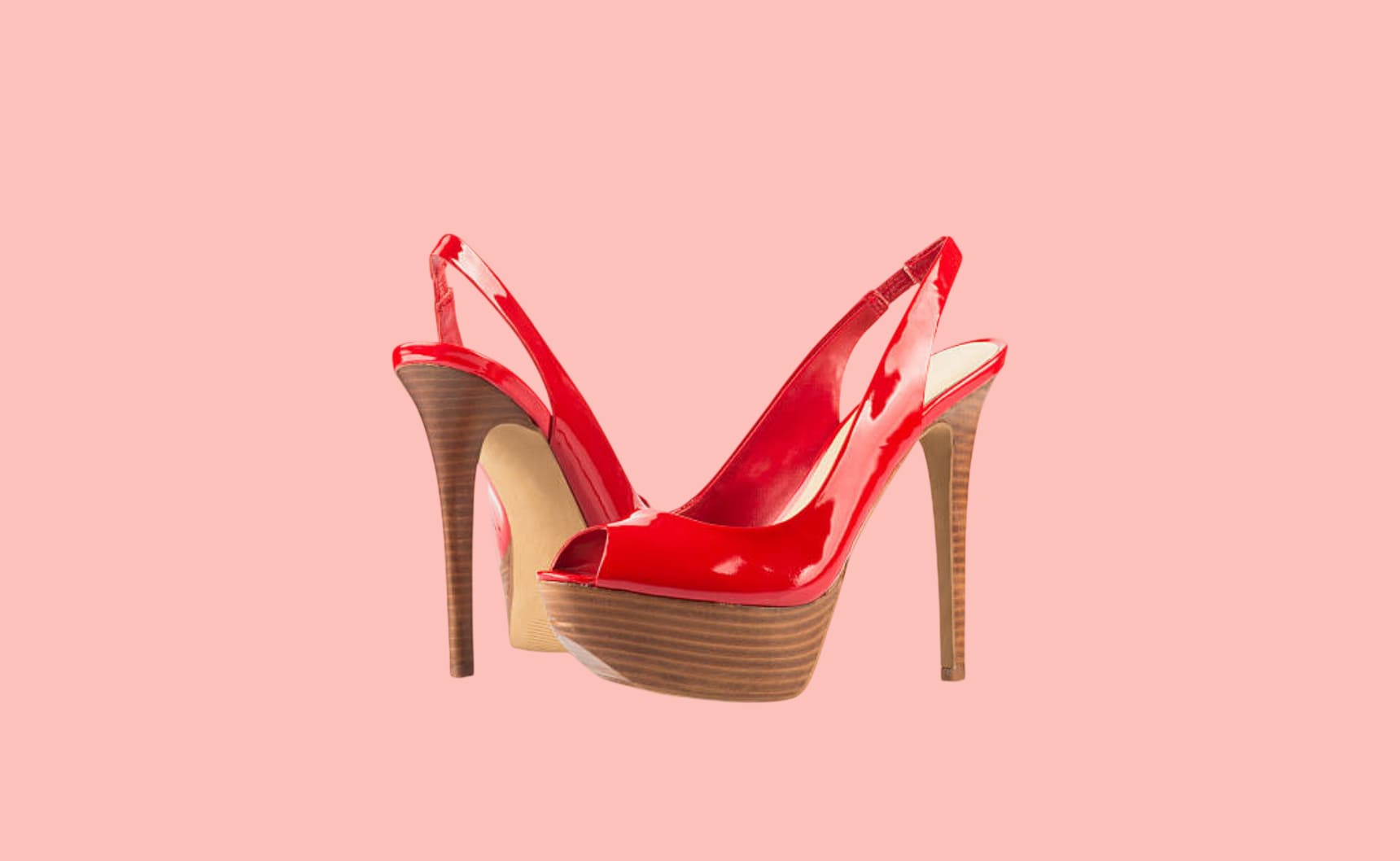
Celebrity culture, runway shoes, or even social media buzz are primarily considered to inspire fashion trends. However, one powerful but seemingly unpopular influence that shapes footwear choice every day is weather.
Footwear trends have always depended on the weather, more than you realize. From the shoes you wear during humid summers to the ones you wear in chilly winters. A major role in determining your shoe style is played by temperature, rainfall, humidity, seasonal transitions, and even regional climates. This strongly influences which shoes gain popularity and which ones temporarily disappear.
Understanding the relationship between weather and shoe trends can be beneficial for both shoe brands and fashion enthusiasts. It helps in understanding why certain designs gain popularity at specific times. The impact of weather is not limited to comfort, it also has a strong influence on materials, colors, functionality, purchasing habits, and overall fashion direction.
Why Weather Influences Footwear More Than Fashion Trends Alone
Both aesthetic and practical purposes are served by shoes, unlike a majority of fashion accessories. While a stylish design attracts attention, inability to handle seasonal conditions comfortably largely dulls the appeal. You’re not likely to wear such shoes consistently, isn’t it?
According to your environment, you must adapt your footwear choices as well. For heavy-rains, water-resistant designs are essential, and hot temperatures demand breathable shoes. On the other hand, colder weather demands insulated materials and protected soles.
Shoes are the only accessories that interact with ground and outdoor conditions, making weather one strong hidden force behind the purchasing decisions of customers. These seasonal brands must be recognized by footwear brands, as it helps them to ensure a better positioning by aligning with customer needs.
Summer Heat and the Rise of Breathable Footwear
The way people shop for shoes is significantly impacted by temperature or warm weather. Comfort is a key element during hot weather and is closely linked with ventilation, flexibility, and lightweight construction as well.
Summer trends generally favor the following:
- Sandals
- Slip-ons
- Canvas sneakers
- Open-back footwear
- Lightweight trainers
- Breathable knit shoes
The general need is materials that help in reducing heat buildup and that allow airflow as well, in high temperatures. During the warmer months, mesh fabrics, woven textures, and lightweight soles become increasingly desirable.
Brighter color palettes are encouraged by summer. You will find people wearing white sneakers, pastel tones, and earthy neutrals more often during summer. These colors tend to reflect the relaxed atmosphere of the warm weather and the sunny mornings.
Ease and mobility are the two priorities of footwear during this season. Such footwear support outdoor activities, holidays, and extended walking routines as well.
Rainy Seasons Influence Practical Design
Footwear trends are strongly influenced by rainy weather. This holds truer in the case of regions where long monsoons and storm-heavy periods are rampant. In wet conditions, shoes with the following become more popular:
- Water resistance
- Better traction
- Quick-drying materials
- Elevated soles
- Slip-resistant grip
- Durable construction
Over years, rain-friendly designs have evolved significantly. Modern waterproof shoes are no longer viewed as purely functional products, as many brands combine weather protection with sleek aesthetics. Thus, such shoes have become more versatile for everyday wear.
During rainy periods, dark colors are more popular. Such colors help in concealing water marks and dirt. Black, charcoal, navy, and even deep brown shades are the ones that dominate in such wet climates.
Rainy season has also strongly contributed to the growing popularity of chunky soles and platform-style sneakers. With these designs, your feet stay slightly elevated from the wet surfaces, while they also add the bold visual appeal.
Cold Weather Encourages Layered and Structured Styles
Completely different demands are created by winter. During winter months, which are significantly colder, warmth, protection, and durability are the key priorities of customers. With temperatures dropping, shoe trends shift towards the following:
- Leather boots
- Ankle-length sneakers
- Fur-lined footwear
- Thick-soled shoes
- Insulated hiking-inspired styles
- Structured ankle boots
Cold weather often encourages more layered fashion overall, and footwear follows the same pattern. Shoes become visually heavier, more textured, and more protective.
Materials like leather, suede, wool lining, and rubber soles gain popularity because they provide both insulation and durability against harsh conditions.
Winter trends also tend to feature richer and deeper color palettes, including burgundy, dark green, chocolate brown, and matte black. These tones complement the mood and visual atmosphere of colder seasons.
Humidity Quietly Changes Consumer Preferences
One highly overlooked influence in footwear trends is humidity. People tend to avoid shoes that trap moisture or create discomfort during extended wear in highly humid environments. This increases the demand for the following:
- Moisture-wicking materials
- Breathable linings
- Flexible soles
- Open-structured footwear
- Lightweight athletic styles
Heavy leather shoes feel less practical in humid conditions. Particularly if you’re using it daily for long commutes or outdoor activities. In such markets, softer fabrics and ventilated designs tend to perform better.
For footwear brands that target tropical or coastal regions, frequent adjustments to their collections to match such environmental conditions is essential.
Seasonal Color Trends Are Often Weather-Driven
Weather doesn’t only affect the structure of your shoe; it also influences the psychology of color as well. You’re encouraged to wear light and more vibrant tones in bright weather conditions. During spring and summer, colors that feel fresh, energetic, and visually appealing become popular.
However, during the colder or darker seasons, muted and grounded color choices become more common. Some examples include:
Warm-Weather Color Trends
- White
- Beige
- Light grey
- Soft blue
- Pastel pink
- Cream tones
Cold-Weather Color Trends
- Black
- Dark brown
- Forest green
- Deep burgundy
- Navy
- Charcoal
These shifts often happen subtly, but they consistently shape retail collections and consumer purchasing behavior year after year.
Travel Seasons Also Influence Shoe Demand
There’s a close and strong connection between weather and travel trends. Specific climates often foster holiday seasons, which has a strong impact on the kind of shoes people buy. Some examples include:
- Beach holidays increase demand for sandals and lightweight sneakers
- Winter travel encourages insulated boots and waterproof footwear
- City tourism boosts interest in comfortable walking shoes
- Outdoor adventure travel increases sales of hiking-inspired footwear
Travel patterns shift throughout the year, and footwear trends also tend to follow. Thus, one reason why many shoe brands release seasonal collection is the changing trends. These releases are generally timed around holidays and changing climates, and not on fashion alone.
Climate Adaptation Is Shaping Modern Footwear Innovation
As weather patterns become less predictable in many parts of the world, footwear brands are adapting through innovation.
Consumers increasingly want shoes that can handle changing conditions without sacrificing style. This has encouraged the rise of versatile hybrid footwear that blends fashion with practical performance.
Examples include:
- Water-resistant sneakers
- Temperature-regulating materials
- All-season trainers
- Lightweight weatherproof boots
- Adaptive sole technology
These innovations allow people to move between different environments more comfortably while maintaining a polished appearance.
Versatility is becoming one of the defining features of modern footwear design.
Regional Weather Creates Different Global Trends
Not all shoe trends develop equally around the world. Climate differences between countries and regions significantly affect consumer preferences.
For example:
- Scandinavian countries often favor durable winter footwear
- Tropical regions lean toward breathable and open styles
- Rain-heavy cities priorities water-resistant materials
- Urban environments often combine comfort with streetwear influence
Understanding these regional differences allows footwear brands to design collections that feel more relevant to local audiences.
Global shoe trends may appear universal online, but weather continues to shape them differently across cultures and climates.
Final Thoughts
Weather quietly influences nearly every aspect of footwear trends, from material choices and colors to comfort features and seasonal popularity. While fashion marketing and celebrity influence certainly play a role, climate remains one of the strongest hidden drivers behind the shoes people choose to wear.
Hot temperatures encourage breathable and lightweight styles. Rainy seasons increase demand for protective materials and traction-focused designs. Cold weather inspires structured footwear with warmth and durability at the center of design.
For shoe businesses, recognizing these environmental influences can result into smarter product development and stronger customer connections. Successful footwear design is not only about appearance, it is about understanding how people live, move, and adapt throughout changing seasons.
As fashion continues to evolve, weather will remain one of the quiet but powerful forces shaping the future of footwear.