
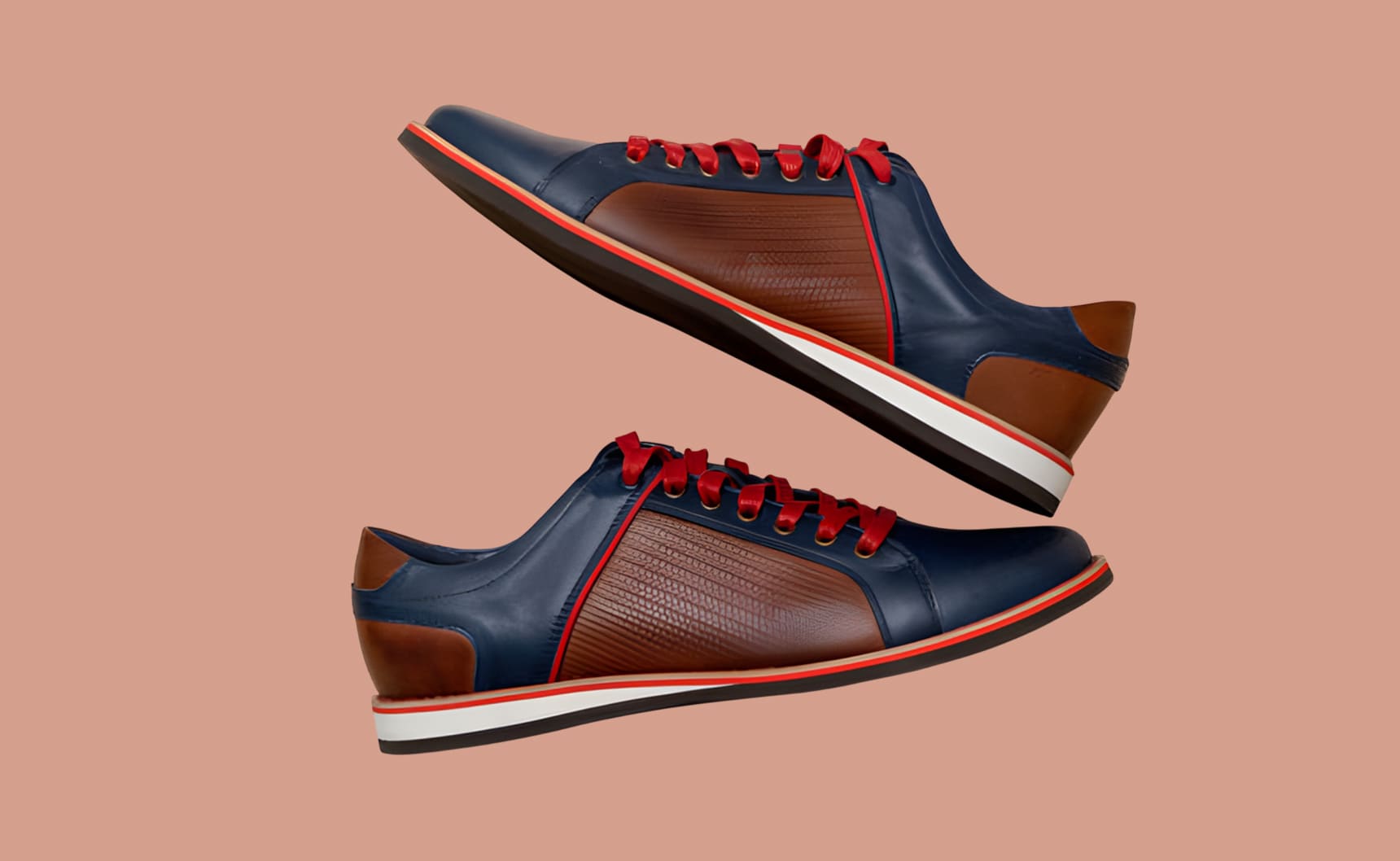
The fashion landscape today is moving at a rapid pace and shoes are no longer just a simple wardrobe essential. Shoes have rather evolved into personal statements, conversation starters, and even symbols of identity as well. While some shoes are worn once and forgotten, there are many others that leave a lasting impression.
So, what differentiates them? The simple answer here is a thoughtful design. More than following trends, crafting a memorable footwear is about understanding emotion, comfort, craftsmanship, and individuality.
One must thoughtfully balance creativity and functionality to master the art of designing shoes. From silhouette and materials to the story behind the design, every detail matters. Footwear brands can create a stronger customer loyalty, by mastering this process, along with greater word-of-mouth attention and a lasting presence in a highly competitive market.
Why Memorable Shoe Design Matters
While people initially remember a shoe for its appearance, but they remember it only by how it feels. A strong emotional connection is created by memorable shoes, as it has the power of inspiring confidence, sparking nostalgia, or even becoming associated with important moments of your life.
These are the shoes that people talk about, even years later! Such shoes are tied to important life events, like concerts, graduation ceremonies, weddings, travel adventures, or even everyday routines that are meaningful to you. An amazing shoe design is not just about fashion; it’s more of a part of someone’s personal story.
As a business, crafting a memorable shoe can help in strengthening your brand identity. If a customer is immediately recognizing your shoe design, you’re creating familiarity and trust. With such impressions, you end up creating long-term relationships with your customers.
The Power of a Distinct Silhouette
Shape is one important element that people generally notice about a shoe first. Shoes that have a unique silhouette differentiate a design from all others in the market. When a shoe has an immediately recognizable outline, they tend to become iconic. A shoe, whether sleek and minimal or bold and exaggerated, needs a strong silhouette to stand out even from a distance.
Some aspects that designers experiment with include:
- Toe shapes
- Sole thickness
- Heel structure
- Curved lines
- Layered panels
- Height proportions
Creating the correct balance is essential here. Without becoming impractical or overwhelming, a pair of shoes should feel distinctive. A fresh and wearable silhouette makes a shoe easier to remember and revisit.
Comfort Is Part of the Design Story
A visually striking shoe alone is never enough! Comfort holds the key. Uncomfortable shoes have a poor reputation, while memorable shoes combine both appearance and functionality.
As a modern customer, what do you expect? In majority cases, it’s shoes that support everyday movement, while still looking stylish as well. Thus, designers today are focusing more cautiously on ergonomic features and material selection.
The following elements are included in comfort-focused designs:
- Cushioned insoles
- Flexible soles
- Breathable fabrics
- Lightweight construction
- Supportive arch structures
- Soft interior linings
A shoe that’s associated with all-day-long comfort, is more likely to be recommended to others. Customers are more likely to return to such brands for future purchases.
Materials Shape Perception
The appearance and emotional impact of a shoe depend on the materials used by a significant level. How you perceive a shoe depends on the texture, finish, and durability it has. Refined leather ensures sophistication and timelessness, while knit fabrics help in creating a modern, athletic feel.
On the other hand, suede adds warmth and softness, while recycled materials appeal to environmentally-conscious buyers. Thus, the choice of materials has a strong impact on how shoes age over time. If a shoe maintains its appearance even after repeated use, it tends to leave a stronger impression.
Different textures are combined by designers to ensure visual depth and personality to your shoes. Even a minimalist design can feel far more dynamic and refined with such a layered approach.
Color Choices Create Emotional Impact
One highly memorable aspect associated with footwear design is color. A subtle color combination has the power of strongly influencing the response of people to a particular shoe. Versatility and elegance is associated with neutrals, whereas, bright colors project energy and confidence.
Monochromatic palettes ensure sleekness and modernity, while unexpected color contrasts result in visual excitement. The overall concept is enhanced and not distracted by colors, and this is what successful designers use. The end goal is to create the right symphony between shape, materials, and mood of the shoe.
Color selection may be influenced by seasonal trends, but if you’re to pick any timeless design, you’ll find the correct balance of palettes. Such a balance remains appealing over a longer time.
Storytelling Gives Shoes Personality
Products that feel meaningful have a greater connection with different people. Thus, storytelling has become an essential part of everyday footwear in the current times. The aspects from which a shoe may draw inspiration include:
- Architecture
- Music culture
- Sports history
- Nature
- Street fashion
- Travel experiences
- Art movements
A shoe becomes more than just an accessory the moment customers understand the inspiration behind the design. Such stories add personality and emotional depth to the piece.
Marketing campaigns are also strengthened by strong storytelling. Audiences gain something memorable to associate with the product, making it truly worth remembering.
Details Make the Difference
The singular point of difference between an ordinary pair and a truly unforgettable piece is small design details. Some key details that can be considered here are:
- Unique stitching patterns
- Signature lace systems
- Embossed logos
- Contrasting textures
- Distinct sole patterns
- Hand-finished elements
- Minimal branding placement
The overall experience and perception of quality is strongly determined by these subtle details, even though customers don’t consciously notice every design detail.
A sense of craftsmanship results from well-executed details. Such details are remembered longer by the people.
Balancing Trends with Timelessness
In the footwear industry and elsewhere as well, fashion trends tend to move fast. Shoes that are designed around these trends end up being irrelevant within a short span. Modern influences are thoughtfully balanced with timeless appeal by memorable shoe designs.
A subtle combination of current aesthetics and clean lines and versatile features is often used by designers. This makes the shoes feel wearable in future seasons as well. Even as fashion preferences evolve, such designs help you footwear stay relevant.
Shoes that feel current without appearing overly trend-driven tend to be appreciated by customers. Such designs have a longer lifecycle and a broader appeal as well.
Functionality Enhances Everyday Value
When shoes naturally fit into the lives of people, they become memorable. Thus, it’s evident that functionality has a massive role to play in design success. Stylish shoes performing well across different settings are more valuable to customers.
With increase in the frequency of use, versatility also increases, as it trends to strengthen the emotional attachment you have with your shoes. Shoes that transition between environments easily are becoming popular. Examples include:
- Workspaces
- Casual outings
- Travel situations
- Evening events
- Fitness activities
- Daily commuting
The easier a shoe integrates into everyday routines, the more memorable it becomes.
Innovation Keeps Design Fresh
Innovation continues to reshape footwear design across both fashion and performance categories.
Modern advancements include:
- Smart cushioning technology
- 3D-printed components
- Adaptive fit systems
- Lightweight engineered materials
- Performance-focused sole designs
While technology can improve comfort and performance, successful innovation still depends on thoughtful integration. Customers remember designs that feel naturally enhanced rather than overly complicated.
Innovation should support the overall experience without overshadowing the core identity of the shoe.
Final Thoughts
Designing shoes that people remember is both an artistic and strategic process. It requires more than attractive visuals or temporary trends. Truly memorable footwear combines comfort, originality, craftsmanship, emotional storytelling, and practical functionality.
The highly successful shoe designs leave lasting impressions because they connect with people on multiple levels. They become part of daily routines, personal milestones, and individual self-expression.
For footwear businesses, ensuring meaningful design can help create stronger customer relationships and long-term recognition in an increasingly crowded marketplace. Shoes that are thoughtfully crafted and emotionally engaging do more than complete an outfit, they become experiences people carry with them long after the first wear.